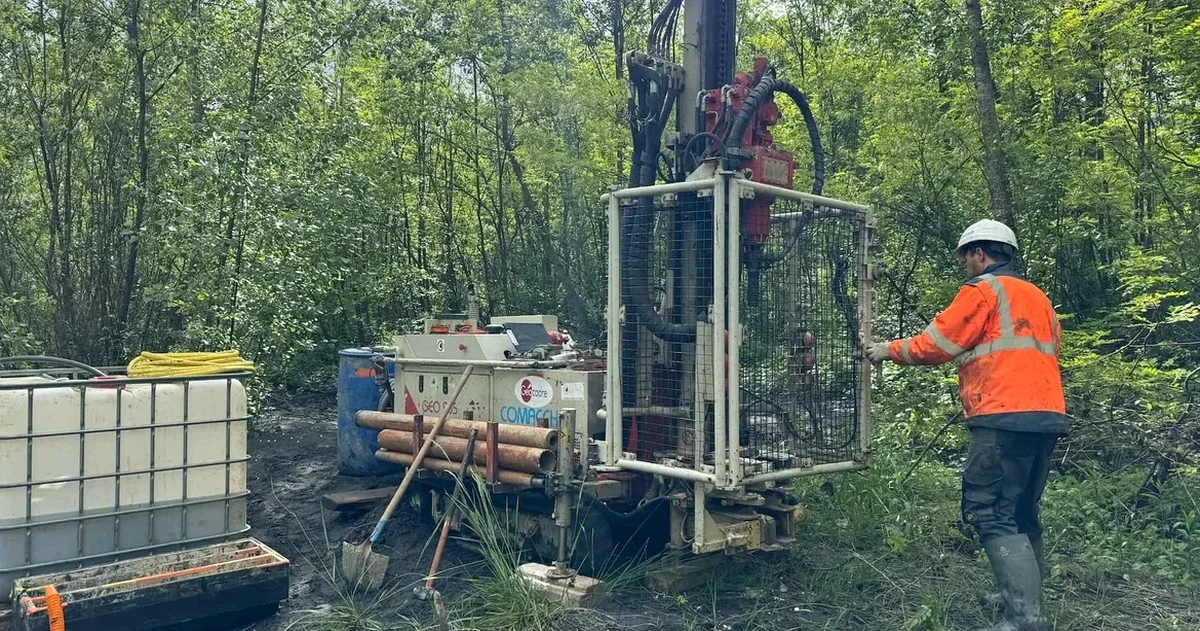
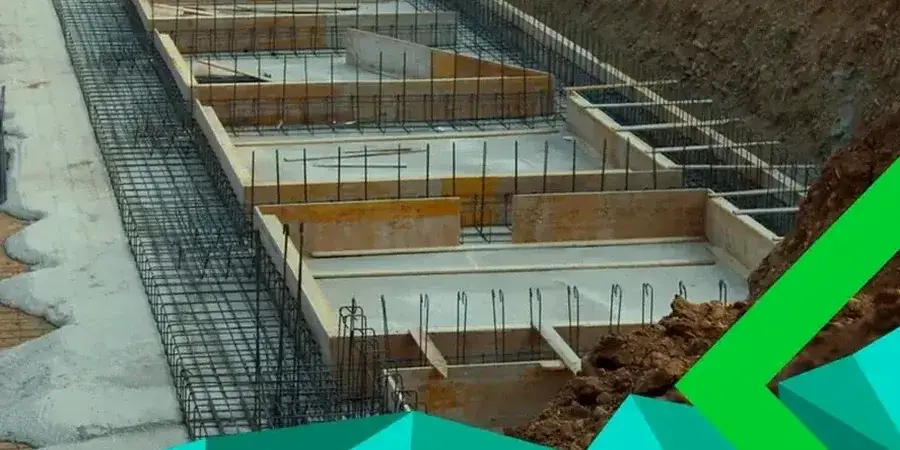
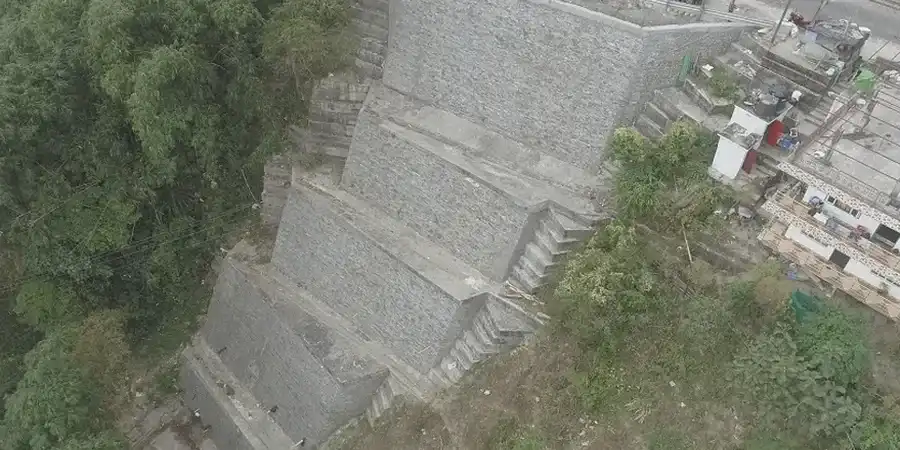
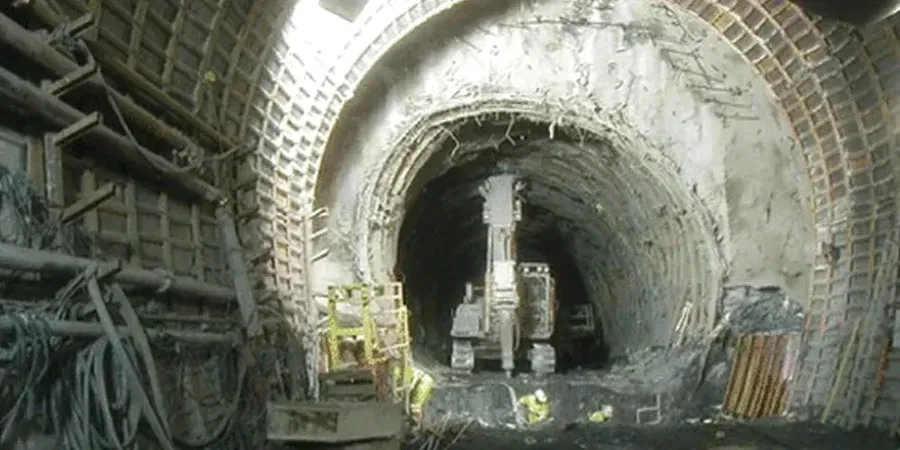
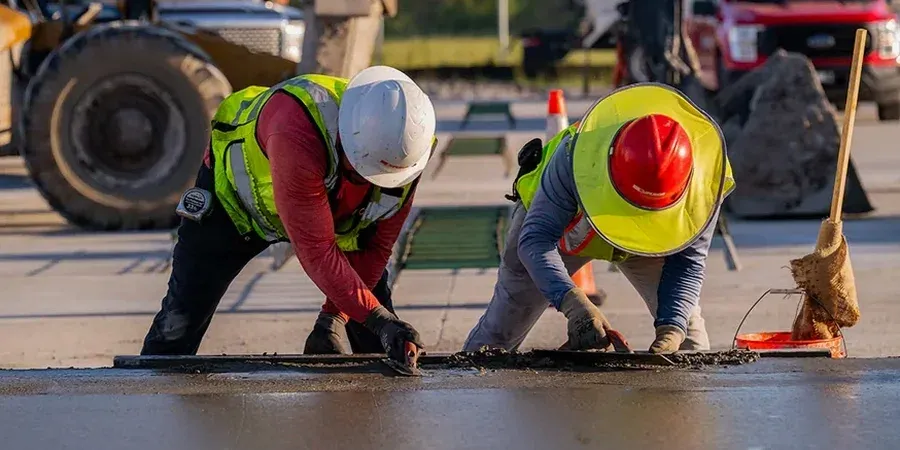
Gloucester sits on a varied geological foundation that demands careful site evaluation before any medium to large-scale construction proceeds. The city straddles the Severn Vale, where superficial deposits of alluvium and river terrace gravels overlie the Mercia Mudstone Group and Lower Lias clays, creating abrupt transitions in bearing capacity within a single site. Borehole and trial pit data collected by our technical team across the Kingsholm and Quedgeley corridors consistently show shear strength parameters shifting by 30–40% over distances of less than fifty metres. A rigorous soil mechanics study in Gloucester is not a supplementary report to file away; it is the basis for selecting foundation type, anticipating differential settlement, and managing groundwater inflow during excavation through the Cheltenham Sand and Gravel member. When ground conditions prove marginal, we supplement the investigation with slope stability analysis where the riverbank terraces descend toward the Severn, ensuring that cut slopes and retaining structures are designed with realistic effective stress parameters rather than textbook assumptions.
Bearing capacity and settlement are not intrinsic soil properties; they emerge from the interaction between the ground profile, the structural load, and the groundwater regime at the specific Gloucester site.